

People often think automation begins with writing code or building AI models. In reality, the first step has nothing to do with technology.
Every automation project starts with understanding the business process.
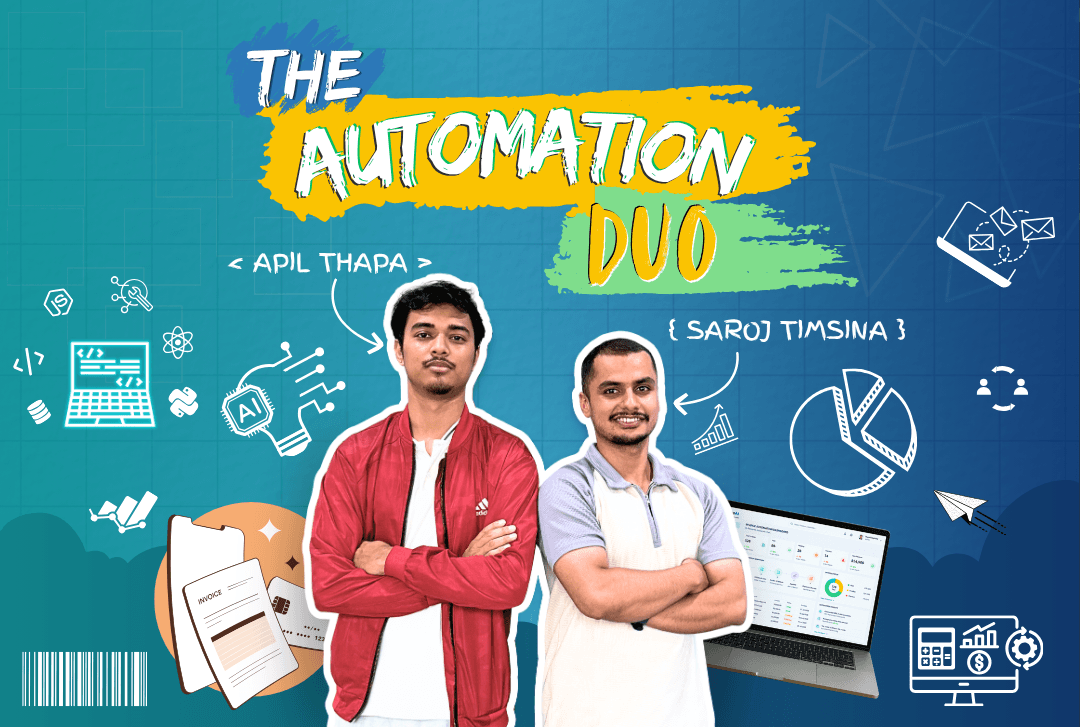
As the Automation Duo at Four Symmetrons, before opening our IDE or writing a single line of code, we become process detectives. We speak with the people doing the work every day, understand the challenges they face, identify repetitive steps, and measure how much time is being spent on manual activities.
We ask questions like:
- Which tasks are repeated hundreds of times?
- Where do mistakes usually happen?
- Which steps consume the most time?
- Can technology perform these tasks more consistently?
Only after understanding the process do, we begin designing an automation solution.
Understanding the Problem
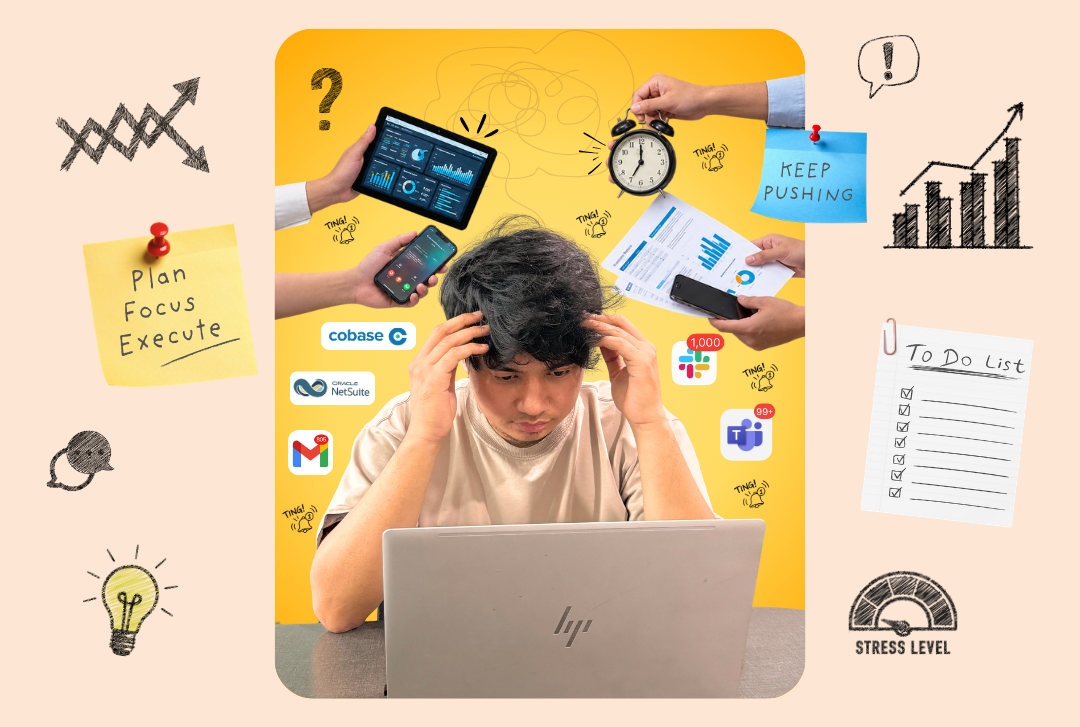
Many business processes have evolved over the years. Employees often spend hours copying data, checking calculations, comparing documents, generating reports, or moving information between different systems.
These tasks are important, but they're repetitive.
Our goal isn't simply to automate a task. It's to understand why the task exists, what information is required, and how the workflow can be improved without disrupting existing operations.
Sometimes the answer is AI. Sometimes it's workflow automation. Sometimes it's a simple script. Technology depends on the problem, not the other way around.
From Idea to Solution
Once we understand the workflow, we choose the right approach.
Depending on the project, we combine technologies such as AI, OCR, APIs, workflow automation, databases, and custom applications to build solutions that fit each client's needs.
From there, we build prototypes, test them using real business data, compare automated results with manual work, and refine the solution until it is reliable.
Accuracy is especially important when working with financial processes, where even small errors can have significant consequences.
Measuring the Impact
An automation project doesn't end when it's deployed.
The real success is measured by the business outcomes:
- Hours of manual work eliminated
- Reduction in human errors
- Faster processing times
- Better data consistency
- Improved employee productivity
- Higher confidence in business processes
When repetitive work disappears, employees can spend more time on analysis, decision-making, and customer-focused activities instead of manual data entry.
A Real Example
One of our projects focused on automating invoice processing for an Accounts Payable team.
The team manually entered information from supplier invoices into their accounting system. Depending on the complexity of the invoice, processing a single document could take one to two hours. Since every value had to be entered manually, even a small mistake often required reviewing the entire invoice again.
Our initial attempt used Python with regular expressions to extract information from PDF invoices. While this worked for a few suppliers, it quickly became difficult to maintain because invoice layouts varied significantly between vendors.
Instead of relying on fixed templates, we collaborated with our AI Engineering team and integrated an AI-powered OCR platform called Allxtract. Using its API, invoice data could be extracted from a wide variety of document formats and returned as structured JSON.
We then developed a solution that automatically transformed the extracted JSON into CSV files compatible with the client's Accounts Payable workflow. This significantly reduced manual data entry, improved consistency, and allowed AP specialists to focus on reviewing information rather than typing it.
The project demonstrated an important lesson: successful automation isn't about replacing manual work with code; it's about selecting the right technology for the real business problem.
Continuous Improvement
Technology continues to evolve, and so do we.
Every project teaches us something new. Sometimes we replace an older solution with a more intelligent one. Other times, we improve an existing workflow by making it faster, more accurate, or better connected with other systems.
One of the most rewarding parts of our work is seeing someone realize they no longer have to spend hours on repetitive tasks. Those moments remind us that automation is not just about technology. It is about making people's work easier.
Automation Is a Mindset
At its core, automation is about curiosity.
It's about looking at a repetitive process and asking:
"Is there a better way?"
When the answer is yes, we combine business understanding with technology to build solutions that save time, reduce errors, and help teams focus on the work that truly requires human expertise.
That's what automation means to us - not replacing people but empowering them to do more meaningful work.
Apil & Saroj
AI Automation Engineer